

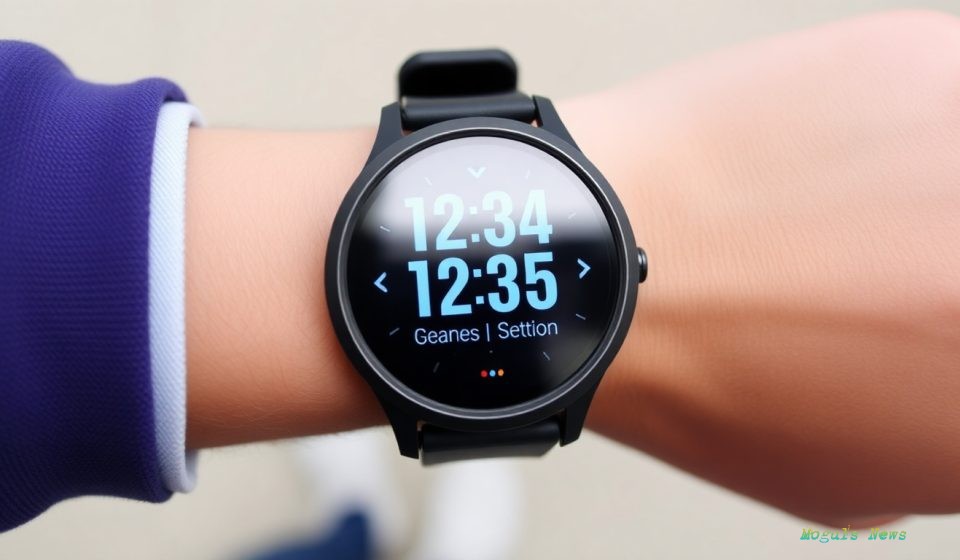

The fitness tracker market has evolved from simple step counters to sophisticated health monitoring devices that can track everything from heart rate variability to blood oxygen levels. With over 300 million fitness trackers sold globally, choosing the right device requires understanding which features actually matter for your health goals.
Table Of Content
- The Current Fitness Tracker Landscape
- Essential Features and Their Real-World Value
- Heart Rate Monitoring
- Sleep Tracking Capabilities
- GPS and Activity Tracking
- Top Fitness Trackers by Category
- Best Overall: Fitbit Charge 6
- Best for Apple Users: Apple Watch SE (2nd Gen)
- Best for Android: Garmin Vivoactive 5
- Best Budget Option: Amazfit Bip 5
- Best for Runners: Garmin Forerunner 265
- Health Monitoring Accuracy and Limitations
- Understanding Measurement Accuracy
- When to Seek Medical Validation
- Battery Life and Charging Considerations
- Real-World Battery Performance
- Power Management Features
- Ecosystem Integration and App Support
- Health Platform Compatibility
- Subscription Services
- Special Considerations for Different Users
- Athletes and Serious Fitness Enthusiasts
- Health-Conscious Beginners
- Older Adults and Health Monitoring
- Making Your Decision: A Practical Framework
- Assess Your Primary Goals
- Consider Your Ecosystem
- Budget Considerations
- Future-Proofing Your Purchase
- Emerging Health Technologies
- Software Updates and Longevity
The Current Fitness Tracker Landscape
Modern fitness trackers have become comprehensive health monitoring systems, offering insights that were once available only through medical equipment. However, not all features are created equal, and understanding the accuracy and utility of different metrics is crucial for making an informed purchase.
Key Market Trends in 2025:
- Advanced health sensors becoming standard across price ranges
- Improved battery life with multi-day tracking capabilities
- Enhanced sleep monitoring with detailed sleep stage analysis
- Integration with healthcare systems and medical professionals
- Focus on mental health metrics including stress and recovery tracking
What’s Changed:
The distinction between fitness trackers and smartwatches has blurred significantly. Today’s fitness trackers offer smartphone notifications, app ecosystems, and advanced health analytics that rival dedicated smartwatches, while maintaining longer battery life and lower prices.
Accuracy Improvements:
Third-generation optical heart rate sensors, improved algorithms, and multi-sensor fusion have dramatically enhanced the accuracy of consumer fitness trackers, making them viable tools for serious health monitoring.
Essential Features and Their Real-World Value
Heart Rate Monitoring
Heart rate tracking has become the cornerstone of fitness monitoring, but accuracy varies significantly between devices and use cases.
How It Works:
Optical heart rate sensors use LED lights to detect blood flow changes in your wrist. The technology works well for steady-state activities but can struggle with high-intensity interval training or activities involving significant wrist movement.
Accuracy Expectations:
- Resting heart rate: Most devices achieve 95%+ accuracy
- Steady cardio: 90-95% accuracy for walking, jogging, cycling
- High-intensity intervals: 80-90% accuracy, varies by device
- Strength training: 70-85% accuracy due to wrist movement
Clinical Value:
Resting heart rate trends can indicate fitness improvements, overtraining, or potential health issues. A consistently elevated resting heart rate may signal illness, stress, or cardiovascular concerns worth discussing with healthcare providers.
Sleep Tracking Capabilities
Sleep monitoring has become increasingly sophisticated, with modern trackers providing detailed insights into sleep stages, quality, and patterns.
What Devices Track:
- Sleep duration: Total time asleep vs. time in bed
- Sleep stages: Light sleep, deep sleep, REM sleep percentages
- Sleep efficiency: Percentage of time actually sleeping
- Sleep disturbances: Frequency and duration of awakenings
- Sleep consistency: Regularity of sleep and wake times
Accuracy Considerations:
Sleep stage detection accuracy ranges from 70-85% compared to clinical polysomnography. While not medical-grade, the data provides valuable insights into sleep patterns and trends over time.
Actionable Insights:
- Identifying optimal bedtimes and wake times
- Recognizing factors that improve or disrupt sleep quality
- Tracking the impact of lifestyle changes on sleep
- Monitoring sleep debt and recovery patterns
GPS and Activity Tracking
Built-in GPS has become standard in mid-range and premium fitness trackers, enabling accurate distance and pace tracking for outdoor activities.
GPS Accuracy Factors:
- Satellite reception: Clear sky conditions provide best accuracy
- Urban environments: Tall buildings can interfere with signal
- Tree cover: Dense forests may reduce GPS precision
- Device positioning: Wrist placement affects signal reception
Activity Recognition:
Modern trackers automatically detect and classify activities including walking, running, cycling, swimming, and strength training. Accuracy varies by activity type and individual movement patterns.
Workout Metrics:
- Distance and pace: Essential for runners and cyclists
- Route mapping: Visual representation of workout paths
- Elevation gain: Important for hikers and trail runners
- Workout intensity: Heart rate zones and effort distribution
Top Fitness Trackers by Category
Best Overall: Fitbit Charge 6
Price: $159.95 (frequently on sale for $119.95)
Battery Life: 7 days
Water Resistance: 50 meters
Strengths:
- Excellent heart rate accuracy across all activity types
- Comprehensive sleep tracking with detailed insights
- Built-in GPS with accurate distance and pace tracking
- Extensive app ecosystem with third-party integrations
- Strong community features and challenges
- Compatible with both Android and iOS
Health Monitoring Features:
- 24/7 heart rate monitoring with zone notifications
- Blood oxygen saturation (SpO2) tracking
- Skin temperature variation monitoring
- Stress management tools with guided breathing
- Menstrual health tracking
- ECG capability for heart rhythm assessment
Limitations:
- Requires Fitbit Premium subscription for advanced insights ($9.99/month)
- Limited smartwatch functionality compared to Apple Watch
- Proprietary charging cable
- Band durability issues reported by some users
Best For: Users wanting comprehensive health tracking with strong community features and cross-platform compatibility.
Best for Apple Users: Apple Watch SE (2nd Gen)
Price: $249 (frequently discounted to $199)
Battery Life: 18 hours
Water Resistance: 50 meters
Strengths:
- Seamless integration with iPhone and Apple Health ecosystem
- Most accurate heart rate monitoring in independent testing
- Advanced fall detection and emergency SOS features
- Extensive app ecosystem with health and fitness focus
- Regular software updates with new health features
- Family setup allows tracking for family members without iPhones
Health Features:
- ECG and irregular heart rhythm notifications
- Blood oxygen monitoring
- Sleep tracking with detailed stage analysis
- Noise level monitoring for hearing health
- Handwashing timer and reminders
- Comprehensive workout tracking with 100+ activity types
Limitations:
- Requires daily charging
- Only compatible with iPhone
- More expensive than dedicated fitness trackers
- Shorter battery life limits multi-day tracking
Best For: iPhone users who want the most comprehensive health monitoring with smartwatch functionality.
Best for Android: Garmin Vivoactive 5
Price: $299.99 (often available for $249)
Battery Life: 11 days in smartwatch mode
Water Resistance: 50 meters
Strengths:
- Exceptional GPS accuracy and multi-satellite support
- Industry-leading battery life for feature set
- Comprehensive training metrics and recovery insights
- Works well with both Android and iPhone
- No subscription required for advanced features
- Robust build quality and durability
Advanced Metrics:
- VO2 max estimation for cardiovascular fitness
- Training load and recovery advisor
- Body Battery energy monitoring
- Pulse Ox blood oxygen saturation
- Stress tracking with relaxation breathing timer
- Sleep score with detailed sleep stage analysis
Limitations:
- Higher price point than basic fitness trackers
- Learning curve for advanced features
- Limited third-party app ecosystem
- Interface less intuitive than Fitbit or Apple
Best For: Serious athletes and outdoor enthusiasts who prioritize GPS accuracy and advanced training metrics.
Best Budget Option: Amazfit Bip 5
Price: $89.99 (frequently on sale for $69.99)
Battery Life: 10 days
Water Resistance: 50 meters
Strengths:
- Exceptional value for money
- Long battery life with always-on display
- Built-in GPS and heart rate monitoring
- Comprehensive health tracking suite
- Compatible with both Android and iOS
- No subscription fees required
Health Features:
- 24/7 heart rate monitoring
- Sleep quality analysis
- Blood oxygen saturation monitoring
- Stress level measurement
- PAI (Personal Activity Intelligence) health assessment
- 120+ sports modes
Limitations:
- Lower heart rate accuracy during high-intensity activities
- Basic app ecosystem compared to premium brands
- Limited customer support and warranty coverage
- Occasional connectivity issues reported
Best For: Budget-conscious users who want comprehensive health tracking without premium pricing.
Best for Runners: Garmin Forerunner 265
Price: $449.99
Battery Life: 13 days in smartwatch mode, 20 hours with GPS
Water Resistance: 50 meters
Strengths:
- Most accurate GPS tracking for distance and pace
- Advanced running dynamics and performance metrics
- Training plans and coaching features
- Excellent battery life for long training sessions
- Detailed recovery and training load analysis
Running-Specific Features:
- Running power metrics without additional sensors
- Ground contact time and stride length analysis
- Training effect and recovery advisor
- Race predictor based on fitness level
- Course navigation and breadcrumb trails
- Safety features including incident detection
Limitations:
- Expensive compared to general fitness trackers
- Overwhelming feature set for casual users
- Limited smartwatch functionality
- Requires time investment to utilize advanced features
Best For: Serious runners and triathletes who want professional-grade training insights.
Health Monitoring Accuracy and Limitations
Understanding Measurement Accuracy
Heart Rate Monitoring:
Consumer fitness trackers typically achieve 90-95% accuracy for steady-state activities but may struggle with rapid heart rate changes or irregular rhythms. Factors affecting accuracy include skin tone, tattoos, wrist hair, device fit, and ambient temperature.
Sleep Tracking:
Sleep stage detection accuracy ranges from 70-85% compared to clinical sleep studies. While not medical-grade, the data provides valuable insights into sleep patterns and can help identify factors affecting sleep quality.
Step Counting:
Modern accelerometers achieve 95%+ accuracy for step counting during normal walking. Accuracy decreases during activities like cycling or when pushing strollers, but most devices now recognize and adjust for these scenarios.
Calorie Estimation:
Calorie burn calculations are estimates based on heart rate, activity type, and personal metrics. Accuracy varies widely (±20-40%) depending on individual metabolism and activity type. Use calorie data for relative comparisons rather than absolute values.
When to Seek Medical Validation
Concerning Patterns:
- Consistently elevated resting heart rate without explanation
- Irregular heart rhythm notifications
- Significant changes in sleep patterns
- Unusual fatigue or recovery metrics
- Blood oxygen levels consistently below normal ranges
Medical Integration:
Many fitness trackers now integrate with electronic health records and can share data with healthcare providers. This integration enables more informed discussions about health trends and potential concerns.
Battery Life and Charging Considerations
Real-World Battery Performance
Factors Affecting Battery Life:
- GPS usage frequency and duration
- Heart rate monitoring intensity
- Display brightness and always-on settings
- Smartphone notification frequency
- Third-party app usage
- Environmental temperature extremes
Charging Strategies:
- Daily chargers (Apple Watch): Charge during morning routine or evening downtime
- Weekly chargers (Fitbit, Garmin): Charge during shower or while working at desk
- Extended use: Disable GPS and reduce heart rate monitoring frequency for longer battery life
Power Management Features
Battery Saver Modes:
Most devices offer power-saving modes that extend battery life by:
- Reducing heart rate monitoring frequency
- Disabling GPS and smartphone notifications
- Dimming display and reducing update frequency
- Limiting advanced health monitoring features
Charging Speed:
- Apple Watch: 0-80% in 45 minutes with fast charging
- Fitbit devices: 0-100% in 1-2 hours
- Garmin devices: 0-100% in 1-3 hours depending on model
- Budget trackers: 1-2 hours for full charge
Ecosystem Integration and App Support
Health Platform Compatibility
Apple Health Integration:
Most major fitness trackers sync with Apple Health, providing centralized health data management for iPhone users. This integration enables sharing data with healthcare providers and other health apps.
Google Fit Integration:
Android users benefit from Google Fit integration, which aggregates data from multiple sources and provides AI-powered insights and recommendations.
Third-Party App Support:
- MyFitnessPal: Nutrition tracking integration
- Strava: Social fitness and activity sharing
- Spotify/Apple Music: Music control during workouts
- Sleep Cycle: Enhanced sleep analysis and smart alarms
Subscription Services
Fitbit Premium ($9.99/month):
- Advanced sleep insights and sleep score breakdown
- Personalized workout recommendations
- Detailed health trend analysis
- Guided meditation and mindfulness content
Garmin Connect IQ (Free):
- Extensive app and watch face marketplace
- Advanced training plans and coaching
- Detailed performance analytics
- Community challenges and competitions
Apple Fitness+ ($9.99/month):
- Integrated workout classes with Apple Watch metrics
- Personalized recommendations based on activity history
- Family sharing for up to six users
- New content added weekly
Special Considerations for Different Users
Athletes and Serious Fitness Enthusiasts
Priority Features:
- Multi-sport tracking with sport-specific metrics
- Advanced training load and recovery analysis
- VO2 max and fitness age calculations
- Training plan integration and coaching features
- Long battery life for extended training sessions
Recommended Devices:
- Garmin Forerunner series: Comprehensive running and triathlon features
- Polar Vantage series: Advanced heart rate analytics and training insights
- Suunto 9 series: Ultra-endurance battery life and navigation features
Health-Conscious Beginners
Priority Features:
- Simple, intuitive interface
- Automatic activity recognition
- Basic health metrics (steps, heart rate, sleep)
- Motivational features and goal setting
- Affordable price point with no subscription requirements
Recommended Devices:
- Fitbit Inspire 3: Simple interface with comprehensive tracking
- Amazfit Bip series: Great value with essential health features
- Samsung Galaxy Fit 3: Good integration for Samsung phone users
Older Adults and Health Monitoring
Priority Features:
- Fall detection and emergency features
- Medication reminders and health alerts
- Large, easy-to-read displays
- Simple navigation and setup
- Family sharing and caregiver access
Recommended Devices:
- Apple Watch SE: Comprehensive health monitoring with emergency features
- Fitbit Sense 2: Advanced health sensors with stress management
- Garmin Venu 3: Health snapshot feature and emergency assistance
Just as smart financial planning requires tracking and monitoring your progress, effective health management benefits from consistent monitoring of key metrics that fitness trackers provide.
Making Your Decision: A Practical Framework
Assess Your Primary Goals
General Health Monitoring:
Focus on devices with accurate heart rate tracking, comprehensive sleep analysis, and user-friendly interfaces. Battery life and ease of use should be priorities over advanced athletic features.
Fitness Improvement:
Look for devices with GPS tracking, workout recognition, and progress tracking features. Consider devices that offer training plans and coaching features to support your fitness journey.
Athletic Performance:
Prioritize accuracy, advanced metrics, and sport-specific features. Battery life becomes crucial for long training sessions, and data export capabilities may be important for analysis.
Consider Your Ecosystem
iPhone Users:
Apple Watch provides the most seamless integration, but Fitbit and Garmin devices also work well with comprehensive Apple Health integration.
Android Users:
Fitbit, Garmin, and Samsung devices offer excellent Android integration. Consider Google Fit compatibility for centralized health data management.
Cross-Platform Needs:
Fitbit and Garmin devices work equally well with both iOS and Android, making them ideal for households with mixed device ecosystems.
Budget Considerations
Under $100:
Focus on basic fitness trackers from Amazfit, Xiaomi, or entry-level Fitbit devices. Expect good step counting, basic heart rate monitoring, and decent battery life.
$100-200:
This range offers the best value with devices like Fitbit Charge 6, providing comprehensive health tracking without premium pricing.
$200-400:
Premium fitness trackers and entry-level smartwatches offer advanced health monitoring, GPS tracking, and extensive app ecosystems.
$400+:
Professional-grade devices for serious athletes with advanced training metrics, exceptional GPS accuracy, and comprehensive performance analysis.
Much like building emergency financial reserves provides security and peace of mind, investing in quality health monitoring creates awareness and motivation for long-term wellness.
Future-Proofing Your Purchase
Emerging Health Technologies
Blood Glucose Monitoring:
Non-invasive glucose monitoring is in development and may become available in consumer devices within 2-3 years, revolutionizing diabetes management and metabolic health tracking.
Blood Pressure Monitoring:
Several manufacturers are working on wrist-based blood pressure monitoring, though current implementations require calibration with traditional cuffs.
Advanced Sleep Analysis:
Future devices may offer more detailed sleep disorder detection and integration with sleep medicine professionals for comprehensive sleep health management.
Software Updates and Longevity
Update Support:
- Apple: Typically 4-5 years of software updates
- Fitbit/Google: 3-4 years of feature updates
- Garmin: 2-3 years of major updates, longer for bug fixes
- Budget brands: Limited update support, typically 1-2 years
Feature Evolution:
Many health features are software-based and can be added through updates. Devices with robust processors and sensors may gain new capabilities over time without hardware upgrades.
The fitness tracker market in 2025 offers excellent options across all price ranges and use cases. The key to choosing the right device lies in honestly assessing your needs, understanding the limitations of consumer health monitoring, and selecting a device that you’ll actually use consistently.
Remember that the best fitness tracker is the one you wear every day. Features and accuracy matter, but consistency in tracking provides the most valuable health insights over time. Whether you choose a basic step counter or an advanced health monitoring system, the act of paying attention to your health metrics can motivate positive lifestyle changes and improve your overall well-being.
Focus on devices from reputable manufacturers with good customer support, regular software updates, and integration with the health platforms you already use. Your investment in health monitoring technology should support your wellness journey for years to come.
Disclaimer: Fitness trackers are consumer devices designed for general wellness monitoring and should not replace professional medical advice or medical-grade monitoring equipment. Always consult healthcare providers for medical concerns and use fitness tracker data as supplementary information rather than diagnostic tools.